Latest news
Hardening Up Sugar City
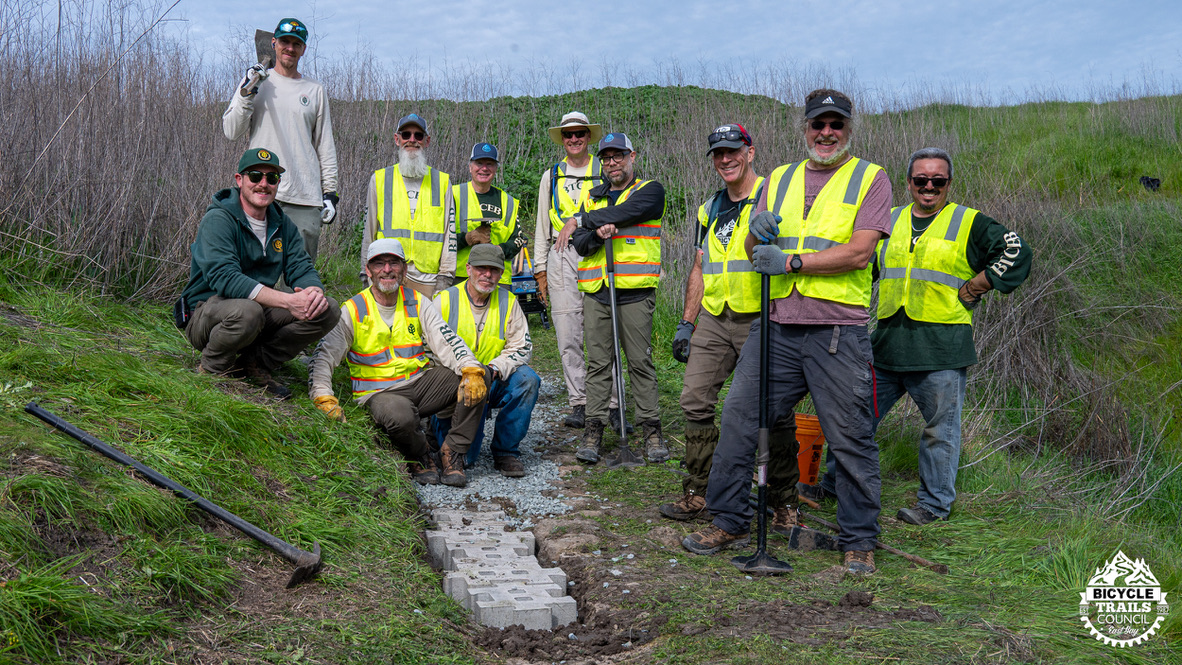
Hardening Up Sugar City This spring BTCEB volunteers completed an upgrade of the hardening on the upper start of the Sugar City trail at Crockett Hills Regional Park. A chronically wet area due to a seasonal seep had been rock hardened a couple of seasons ago. That rock hardening…
BTCEB Buzz April 2026
April 2026 The April Showers Edition Photo credit: Alin Gavriliuc on Unsplash About BTCEB Bicycle Trails Council is a 501(c)(3) non-profit organization that was founded in 1987 by a dedicated group of volunteers who fought the impending closure of almost all bike trails in the East Bay. Today we are active with programs…
From the Interwebs: Singletracks Podcast talks to Jeff Cayley of Trail One Components
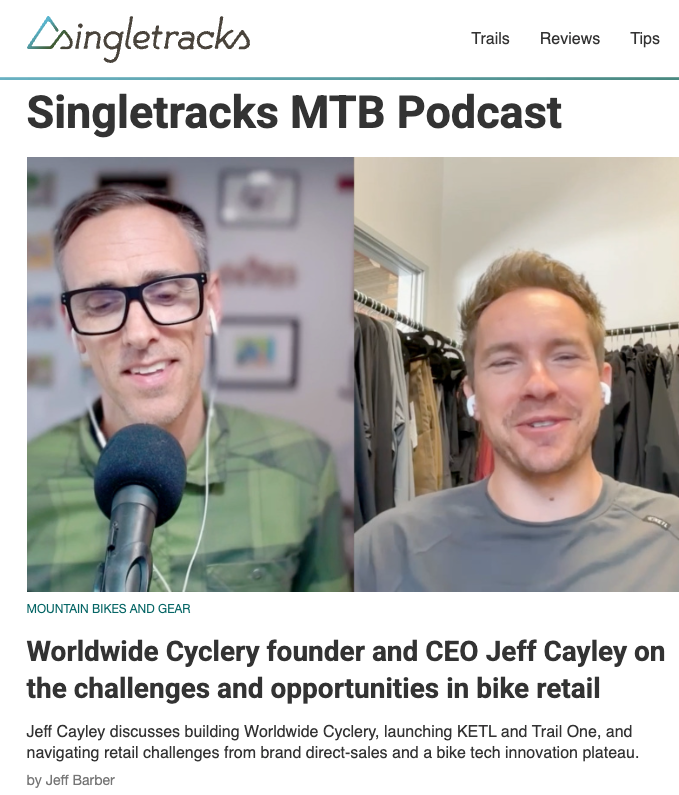
From the Interwebs: Singletracks Podcast talks to Jeff Cayley of Trail One Components Trail One is just one of Jeff Cayley’s business ventures that he discusses on the Singletracks podcast. Trail One is a bike components company with a mission to give back to trail systems. He, along with…
Hiking with Director Mercurio
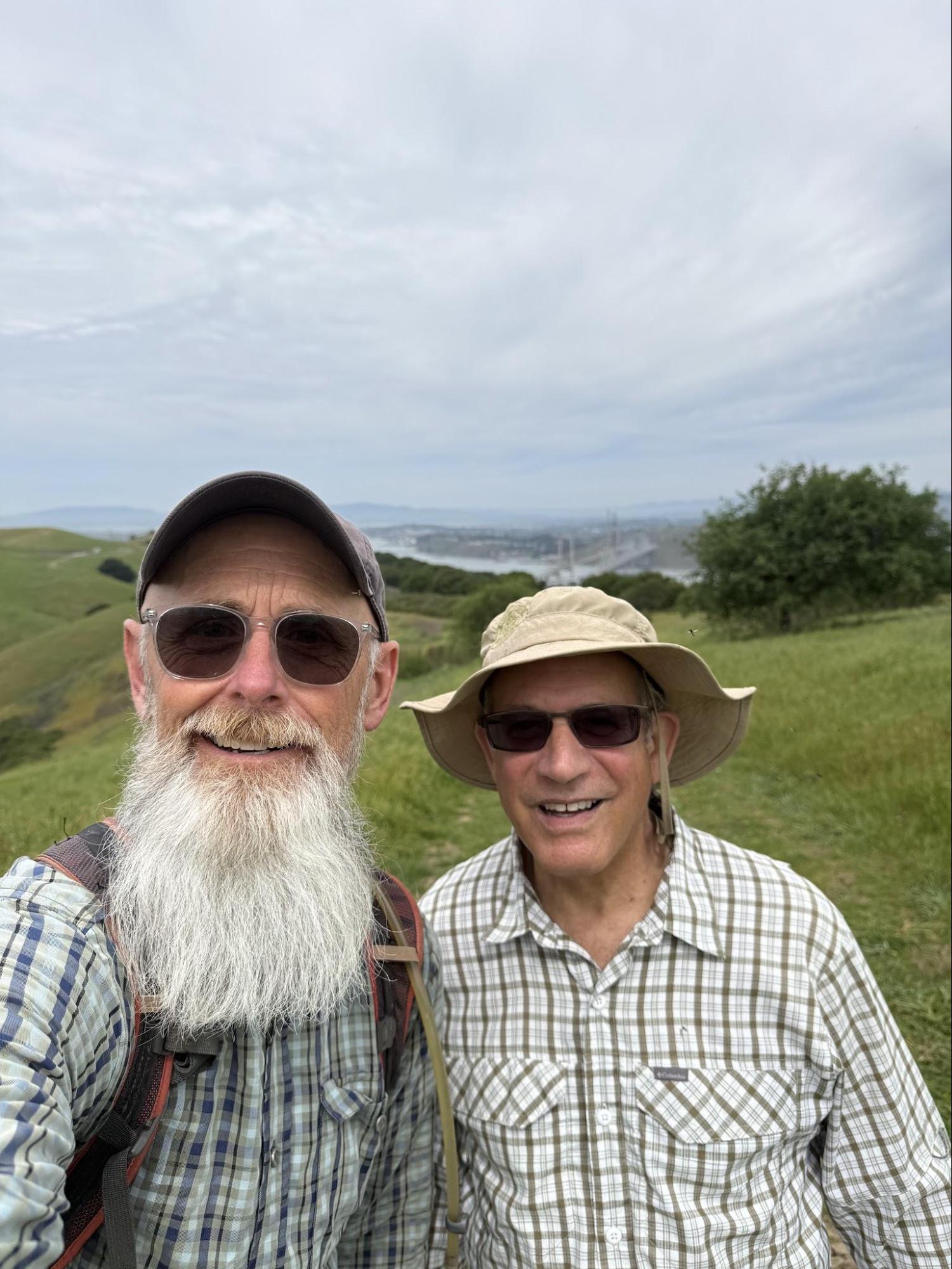
Hiking with Director Mercurio Much of BTCEB’s advocacy work happens behind the scenes. One aspect is building positive working relationships with land manager staff and our elected decision makers. Recently our Advocacy Director, Scott Bartlebaugh, invited East Bay Regional Park District Director John Mercurio out to Crockett Hills for…
Trail workday at Fernandez Ranch
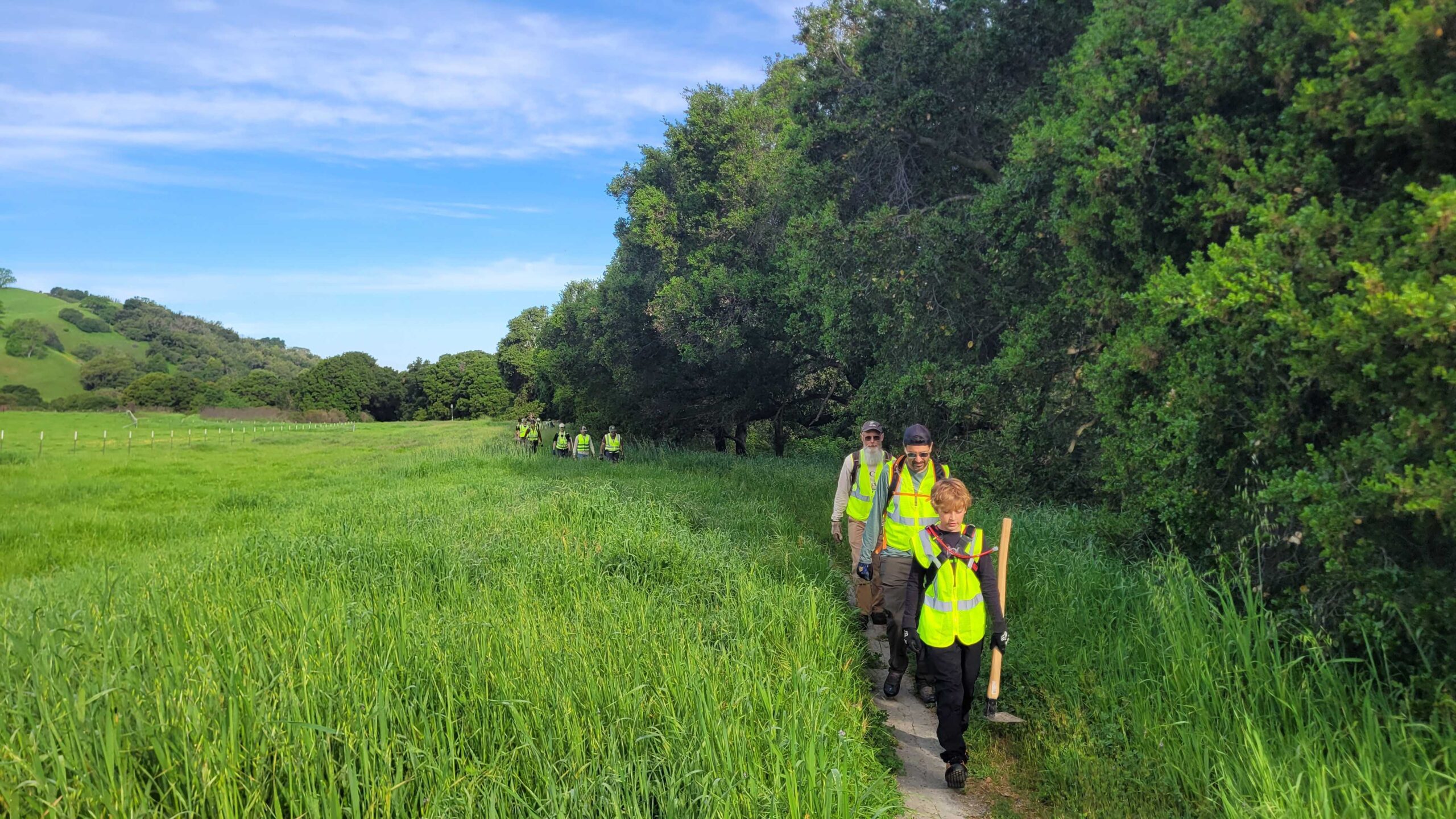
Trail workday at Fernandez Ranch After months of coordination and planning, BTCEB partnered with JMLT and the Contra Costa Composite MTB team for a trail workday at Fernandez Ranch on March 21. We ended up with 24 volunteers, including 15 riders and coaches from Contra Costa Composite, and we…
BTCEB Buzz March 2026
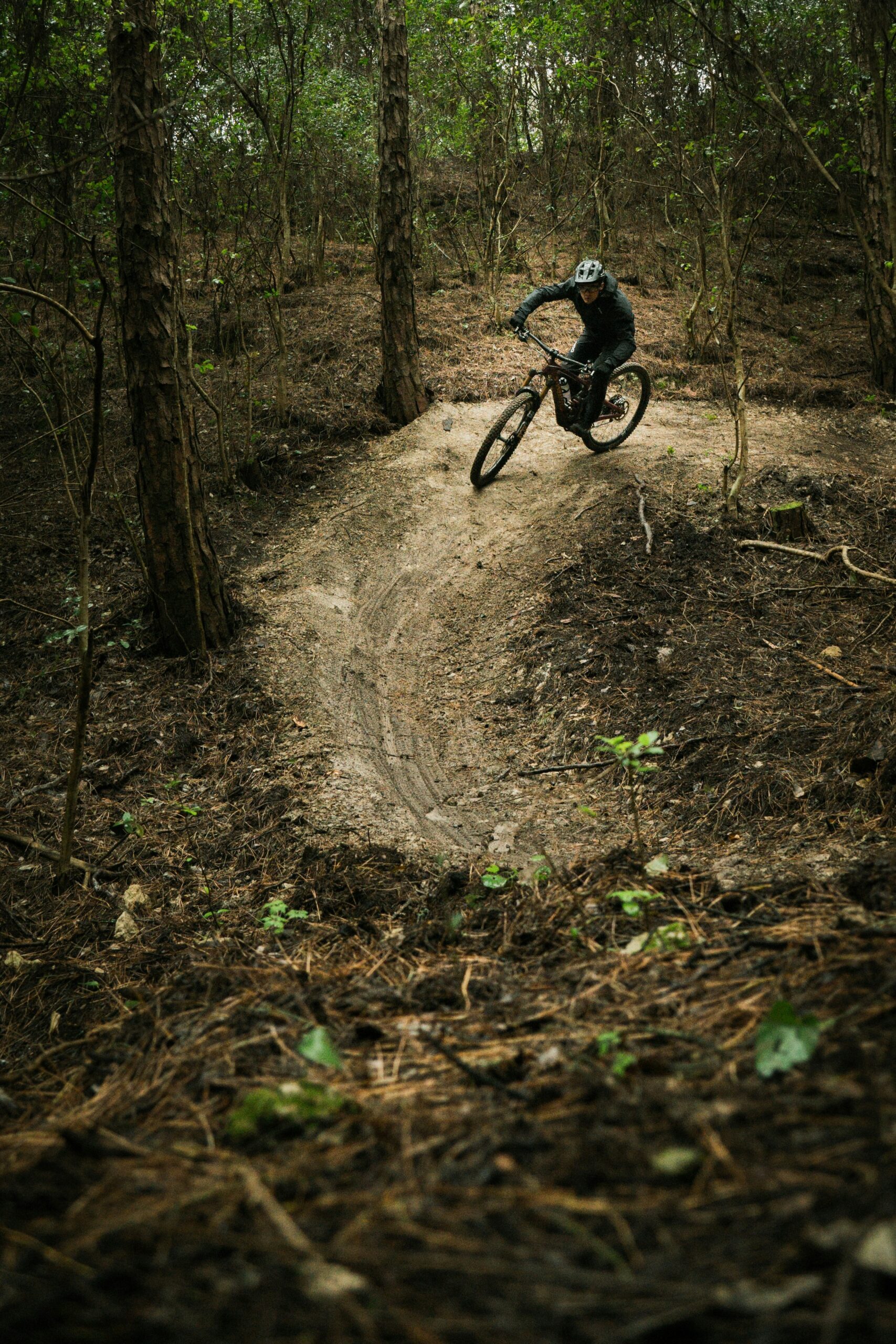
March 2026 The “Trails Could Use a Little Rain” Edition . . . Photo credit: Miguel Mendes on Unsplash About BTCEB Bicycle Trails Council is a 501(c)(3) non-profit organization that was founded in 1987 by a dedicated group of volunteers who fought the impending closure of almost all bike trails in the East…
Your Local NICA Team Could Use Your Help to Get More Kids on Bikes
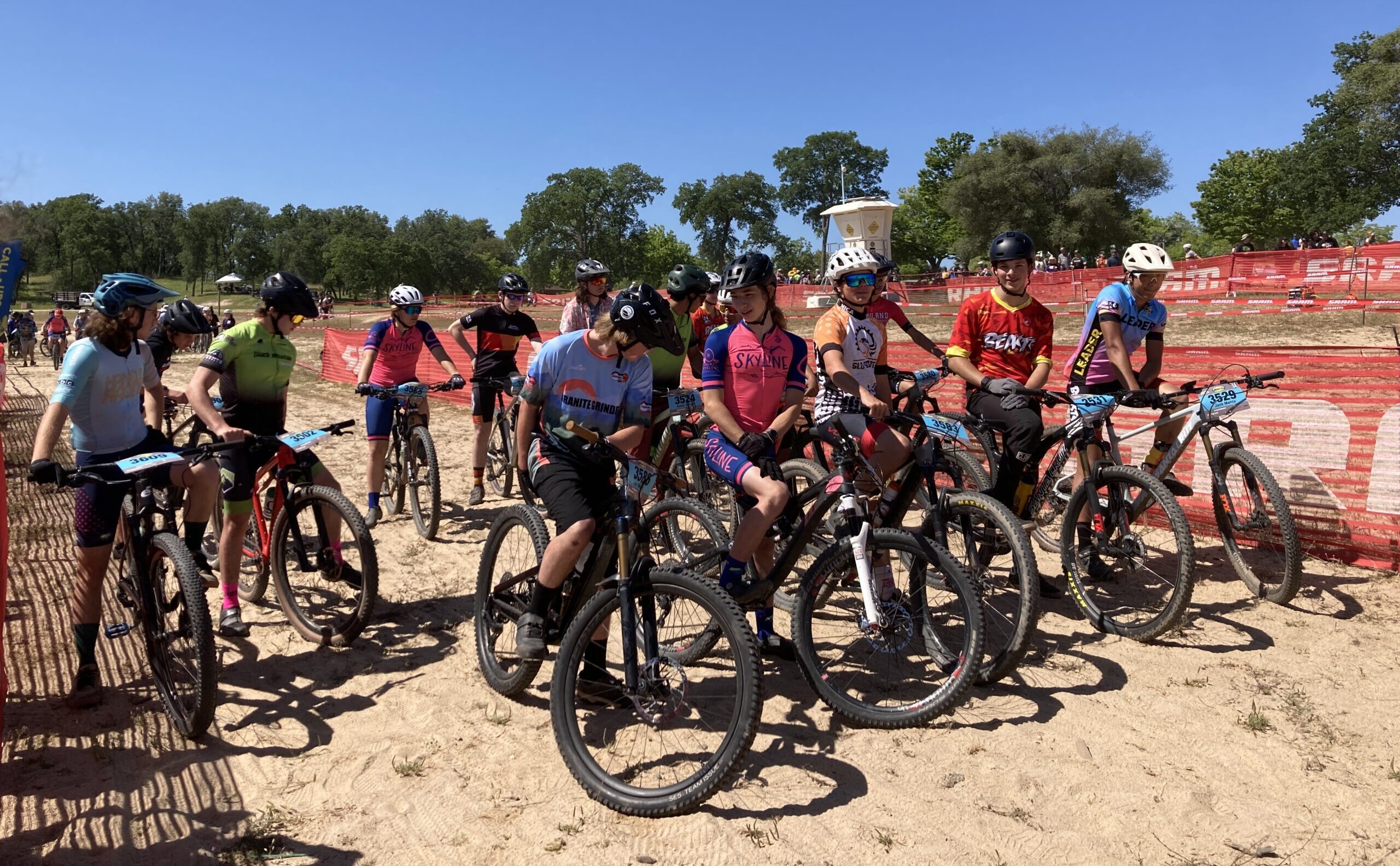
Your Local NICA Team Could Use Your Help to Get More Kids on Bikes The East Bay is home to a number of NICA (National Interscholastic Cycling Association) teams that all race as part of NICA’s NorCal League. NICA was established in 2009 and is built on a foundation…
EBRPD District Plan Survey — Act Now!
EBRPD District Plan Survey — Act Now! The East Bay Regional Park District (EBRPD) wants your input during Round 2 of its public outreach on updating its District Plan. You can provide your input through an online questionnaire and budgeting exercise. They are looking for feedback on (1) their…
To Reroute or Not to Reroute
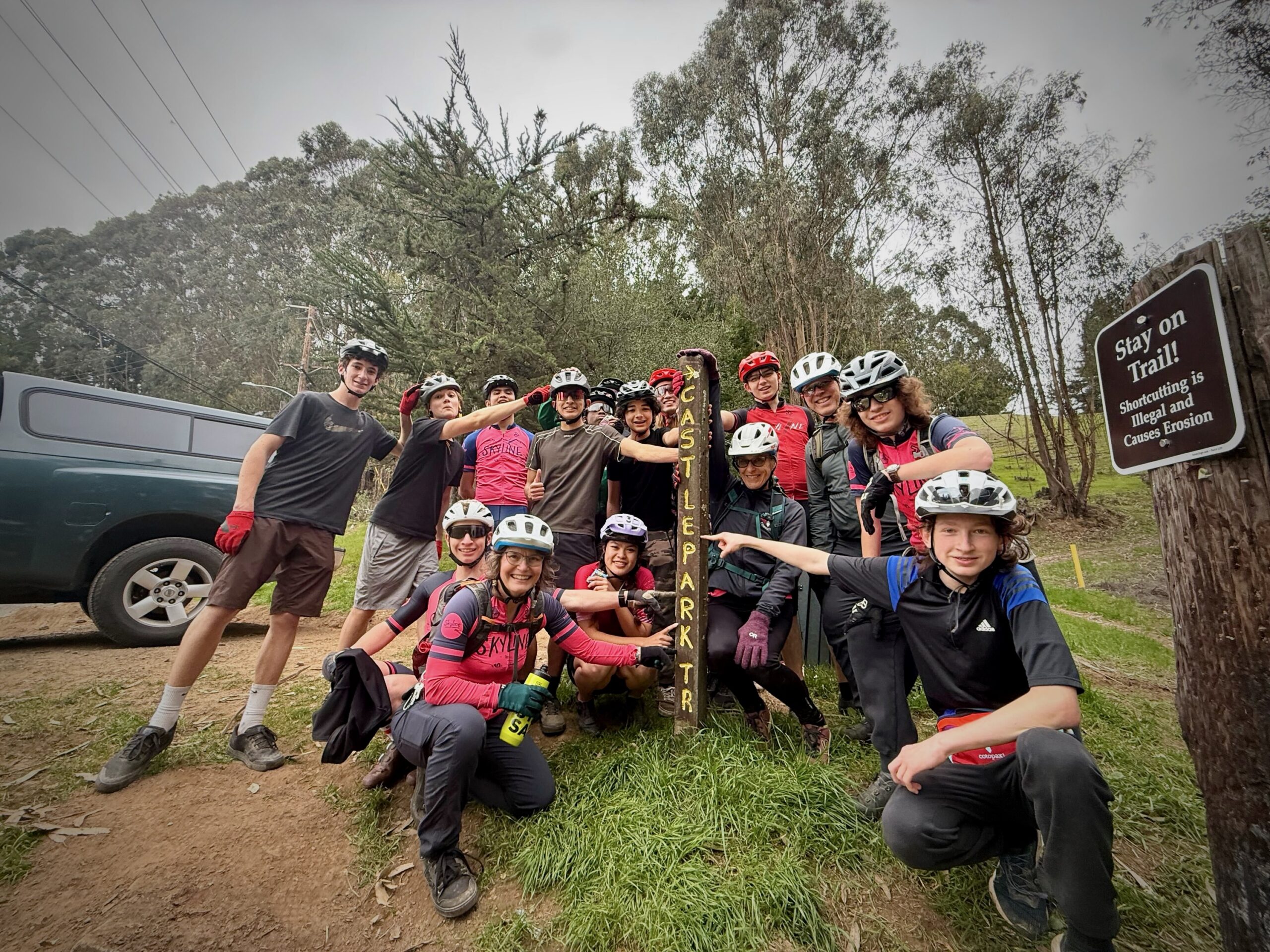
To Reroute or Not to Reroute Trail work in Joaquin Miller Park: Castle Park Trail If you have ever ridden in Joaquin Miller Park you have probably pedaled over a trail that BTCEB helped to reroute. There have been at least three such reroute projects, and we are about…
BTCEB Buzz February 2026
February 2026 The “Shortest Month” Edition . . . Photo credit: Julien Kettmann on Unsplash About BTCEB Bicycle Trails Council is a 501(c)(3) non-profit organization that was founded in 1987 by a dedicated group of volunteers who fought the impending closure of almost all bike trails in the East Bay. Today we are…
Freehub PRESENTS: A Mountain Bike Film Festival
Freehub PRESENTS: A Mountain Bike Film Festival Join BTCEB in celebrating community, culture and cinema Freehub PRESENTS, brought to you by Arkansas Tourism, is a collection of films from not only some of the best filmmakers and riders but also new up-and-comers, all given the proper big screen experience….
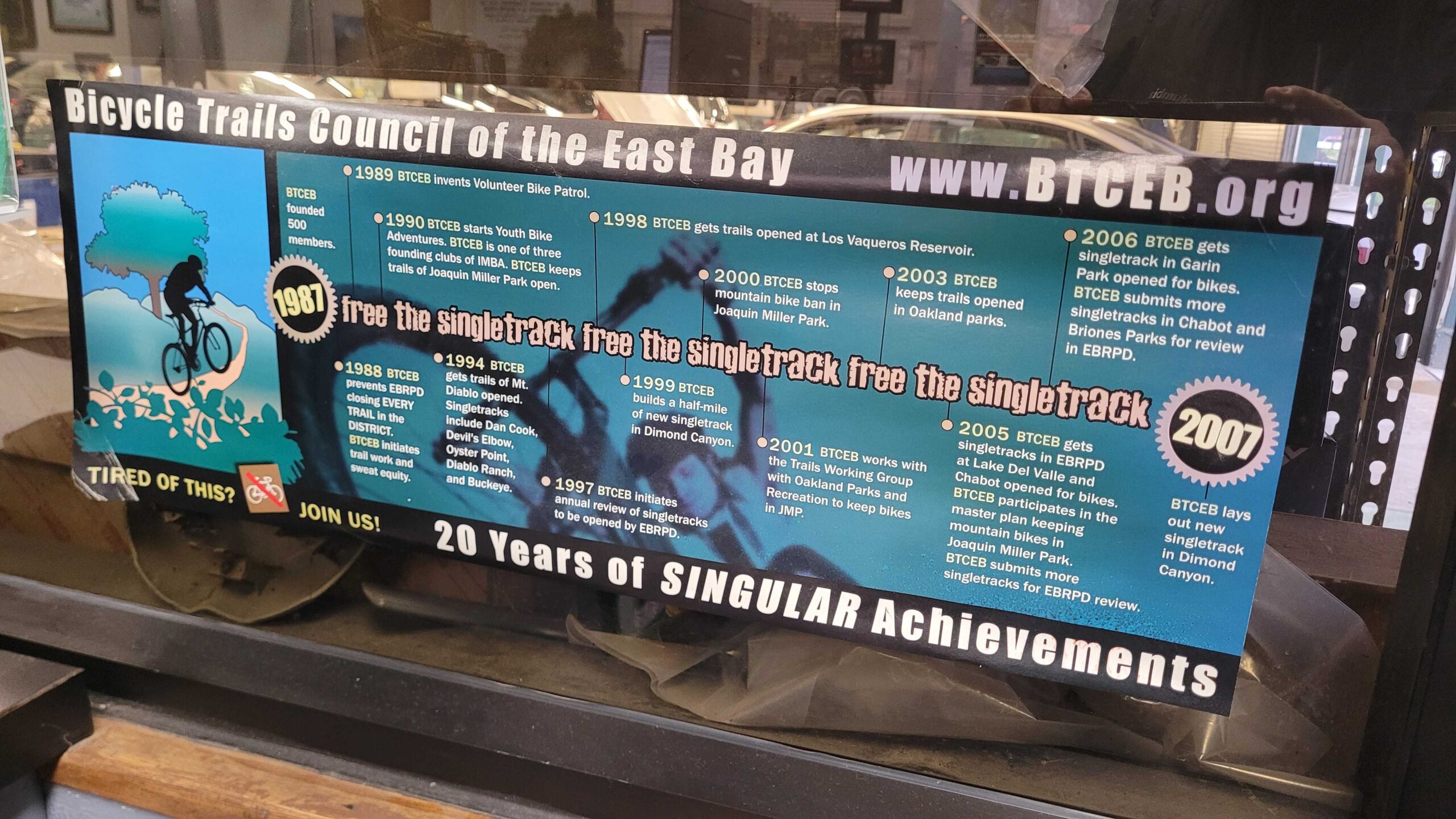
25 Years of the Oakland Bike Patrol
25 Years of the Oakland Bike Patrol BTCEB led a successful effort to stop a ban on mountain biking in Joaquin Miller Park — our beloved JMP — in 2000. The following year, in 2001, BTCEB and the Oakland Police Department established the Oakland Bike Patrol (OBP) to address…
 with us!
Or join the group on FaceBook
Our FaceBook group has great discussion from riders all over the East Bay. Learn about trail conditions and upcoming rides.