Take action! Please participate!
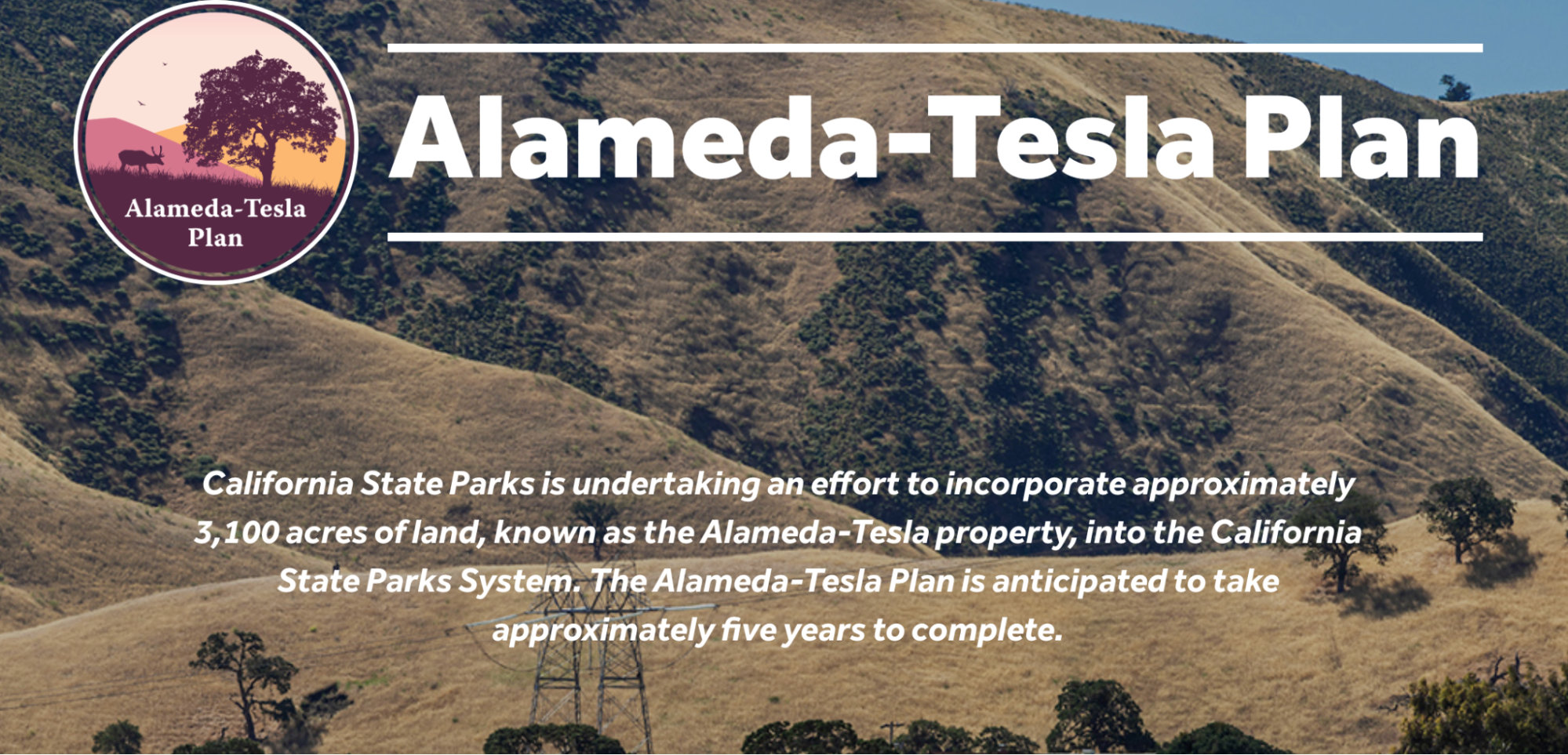
California State Parts will hold a virtual workshop this Tuesday, September 30, from 6:00 PM to 7:00 PM. We need your help to get more mountain bike access. Land manager planning processes are long and slow but we are at an important point in the process that needs your voice in order to be successful. Your participation will make a difference and collectively we can influence outcome of the process. It is critical for the mountain bike community to show up and contribute.
The virtual workshop will present the two draft concepts that California State Parks currently has in mind for the Alameda-Tesla property and then will have an online survey that will be used to collect public feedback. If you can attend the virtual workshop, please do so (register here) to be better informed. If you can’t attend the workshop, please take a few moments to learn a little more about the project and then provide input via their online survey, which is open for public feedback until October 31.
BTCEB attended the in-person workshop in Tracy on Saturday, September 20, along with a handful of other bike access advocates but we were heavily outnumbered. Here are some points you can include in your feedback to California State Parts:
- Request that Alameda-Tesa property be classified as a State Recreation Area to allow the maximum flexibility in providing access and recreation opportunities while still having management practices within the State Recreation classification and additionally subclassification options to protect sensitive resources. The lack of recreation resources of this type to the significant and growing Tracy and Central Valley make this classification even more relevant. The park should serve the community as broadly and appropriately as practical. A State Park classification would be the next best overall option.
- Request that bike be allowed on all roads and trails. It is not clear why a bicycle traveling on a designated road or trail creates an issue — even in a Sensitive Resource area. Travel is limited to roads and trails and no off-trail travel is proposed. Any trails will be new and can be designed to manage multi-use safely and with lower potential for trail user conflicts.
- Request direct inclusion of “recreation” and stronger “access” language in the Declaration of Purpose and Vision statements.
- Request that the proposed new trails to create loop options in Concept 1 be included in the final concept with bike access.
- Request more narrow trail bike access. This could be accomplished through the addition of more trails or by converting existing roads to trails. If not included in the initial general plan this should be an objective in the development of the Road and Trails Management Plan (RTMP).
- Personalize your comments and add anything else you might be interested in. We’ve focused on bike access and geographic equity in these suggested points, and most of us experience the outdoors in other ways in addition to bikes. The proposed low impact camping and horse trailer parking help serve the broader outdoor community as well.
The Alameda-Tesla property is adjacent to the Carnegie OHV Park southeast of Livermore and west of Tracy. For most of us, this area isn’t immediately in our backyard, but the impact of this process helps set the tone and actions of land managers that are in our backyards (such as EBRPD and even EBMUD) and the general tone on access with land managers across California. It all adds up and this is a step each of you can take to make a difference. No matter where we live in California we should have quality mountain bike experiences available.
California State Parks have a range of park classifications from the most recreation oriented classification of State Recreation Area to the most recreation-restrictive classification of State Reserve. There is an option to mix classifications for various areas within the property that can allow for higher recreation in one area and higher natural, cultural, or historical resource preservation in another area. You can find out more information about the range of classifications, the entire process, and site surveys and studies of the area that have been done on the project web site. The Participate page has the meeting materials in the “Past Activities” column, under the heading called Concept Alternatives Workshops.
Relating your personal perspective can make your comment even more effective. For some ideas, here are some other points you may consider including in your survey responses:
- Describe how mountain biking positively affects you.
- Mountain biking allows me access open spaces and take in the natural beauty and observe wildlife.
- Alameda-Tesla is just 4 miles away from the growing community of Tracy, which has very limited trail and open space opportunities. Sustainable mountain bike trail access should be a part of Alameda-Tesla in order to serve this community. Adjacent areas of the Central Valley are in the same situation.
- Mountain biking increases my connection with our natural resources and my support to sustainably conserve them.
- Mountain bike access can be planned to provide sustainable low impact recreation and avoid highly sensitive natural, cultural, and historical resources.
- Support a classification of State Park (SP) and the use of sub-classifications to protect more sensitive areas.
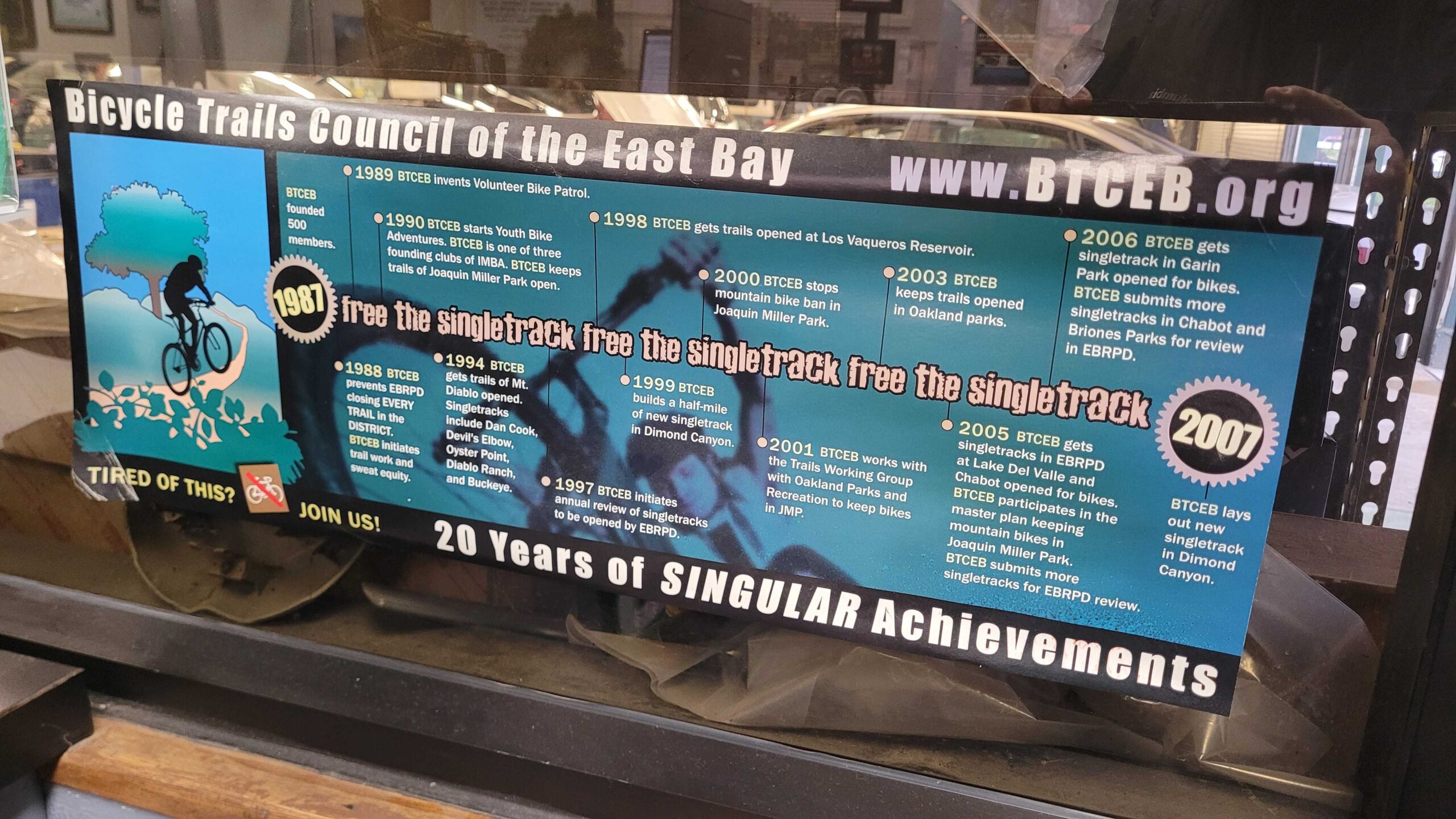
- Mountain bikers have demonstrated they are a ready and willing community to provide volunteer stewardship. Examples include Mount Diablo Trails Alliance at Mt. Diablo State Park, the Stewards of Briones and Bicycle Trails Council in the East Bay Regional Parks District, Access 4 Bikes and Marin County Bicycle Coalition in Marin County, and Santa Cruz Mountain Trail Stewardship in Santa Cruz and Santa Clara counties to name just a few in our region.
- Mountain biking includes a range of trail experiences from fire roads, to cross country trails, to technical or downhill-oriented trails. Sustainable trails can be designed for all of these trail experiences.
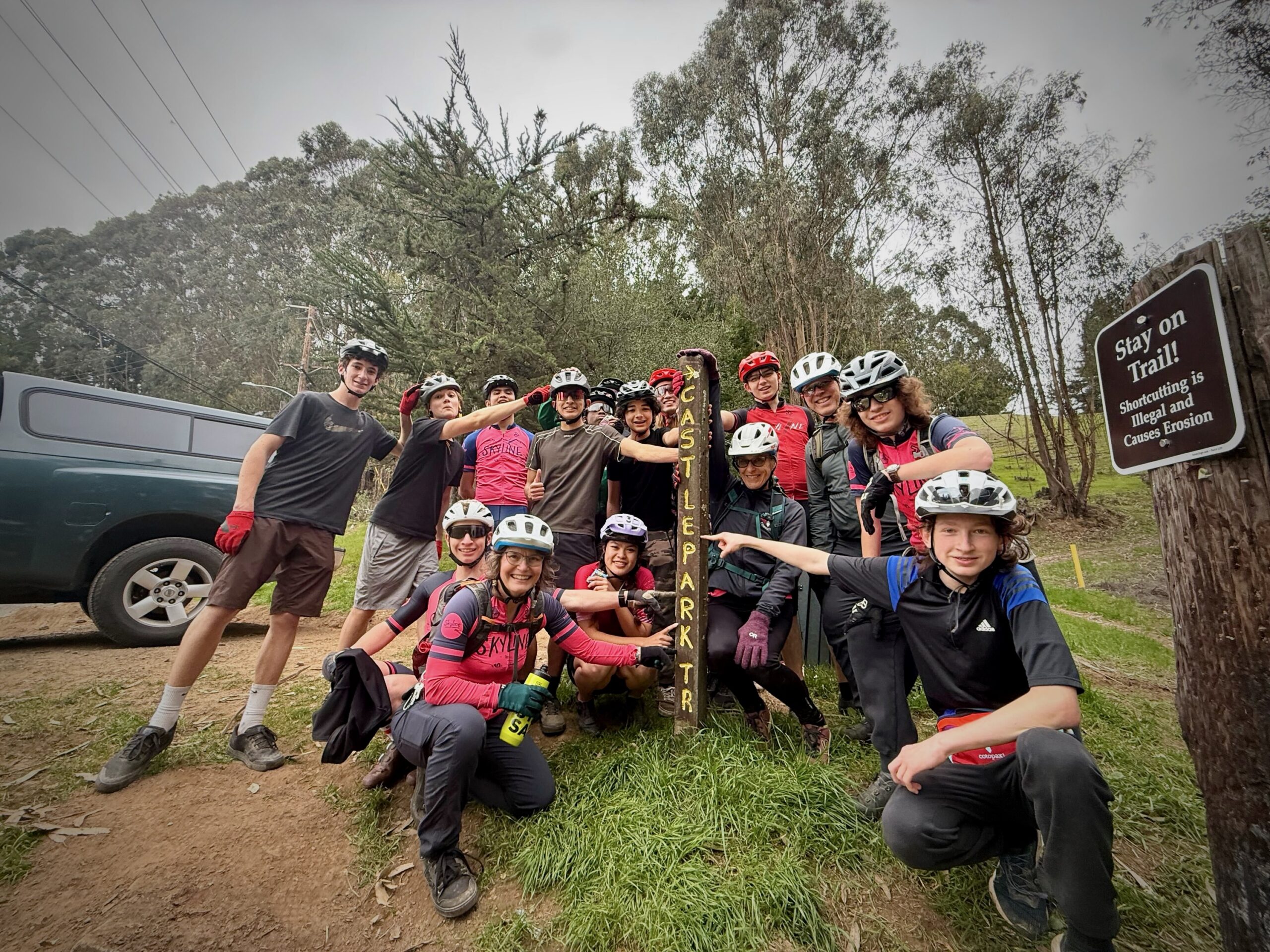
- Mountain biking is a great way to connect youth with nature, conservation of our open spaces and natural resources, improve their mental and physical well-being, and get them off their screens.
- Trail systems can be designed and managed for multiple trail users including mountain bikers, hikers, and equestrians through combinations of multi-use, single use, directional, and time of use practices.
- Trail conflict can be minimized by use of educational programs such as Slow and Say Hello which has been used effectively in State Parks in Marin County.
Please take a little bit of your valuable time to be an advocate and participate in this public workshop. Reach out to advocacy@btceb.org if you have any questions.
Scott Bartlebaugh, Advocacy Director