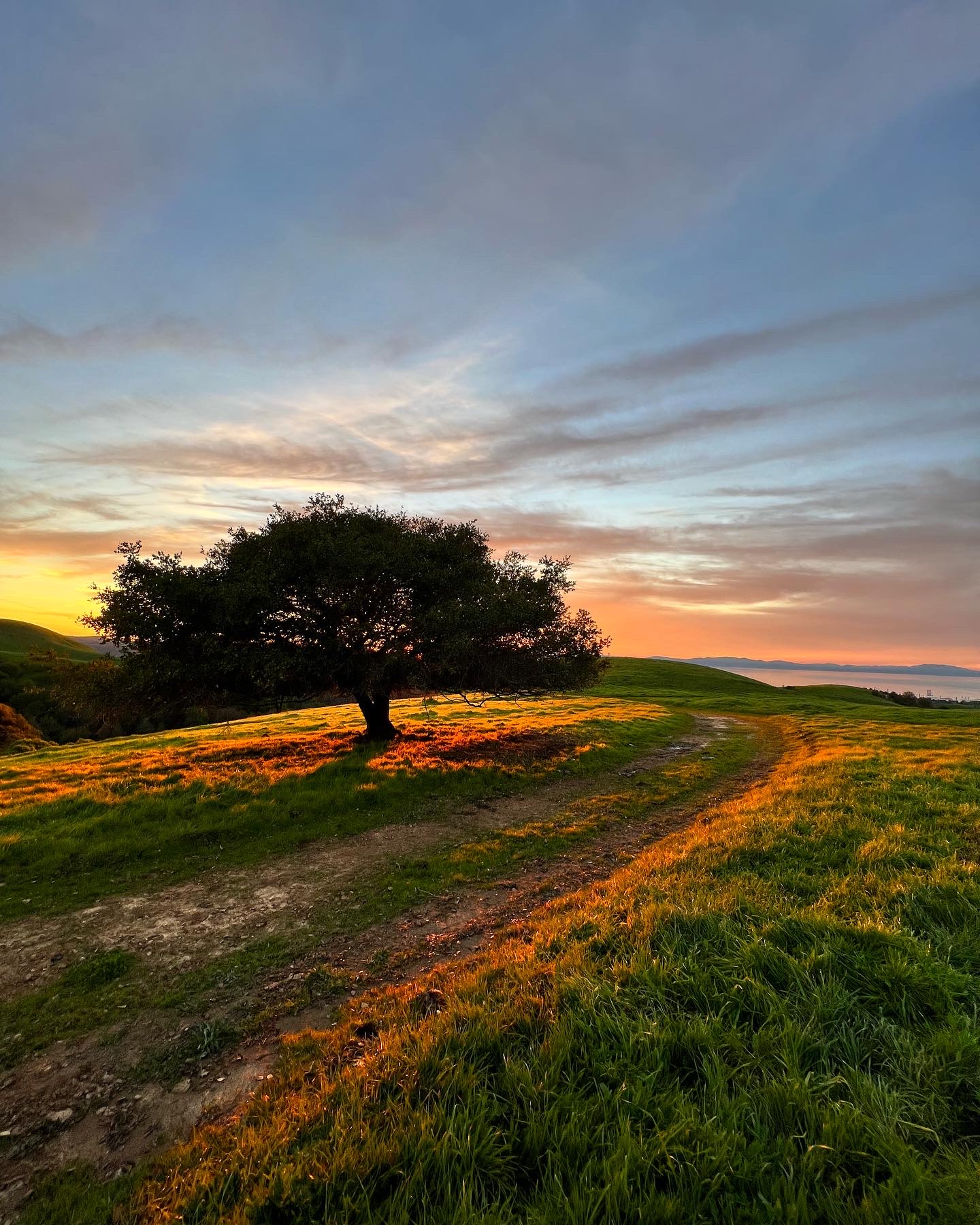
It’s been 10 years since the last phase of trails was built at Crockett Hills, including Sugar City, Tree Frog, Warep, and Goldfinch. It’s nearly 10 miles of singletrack, and it’s the largest legal access singletrack system in the East Bay.
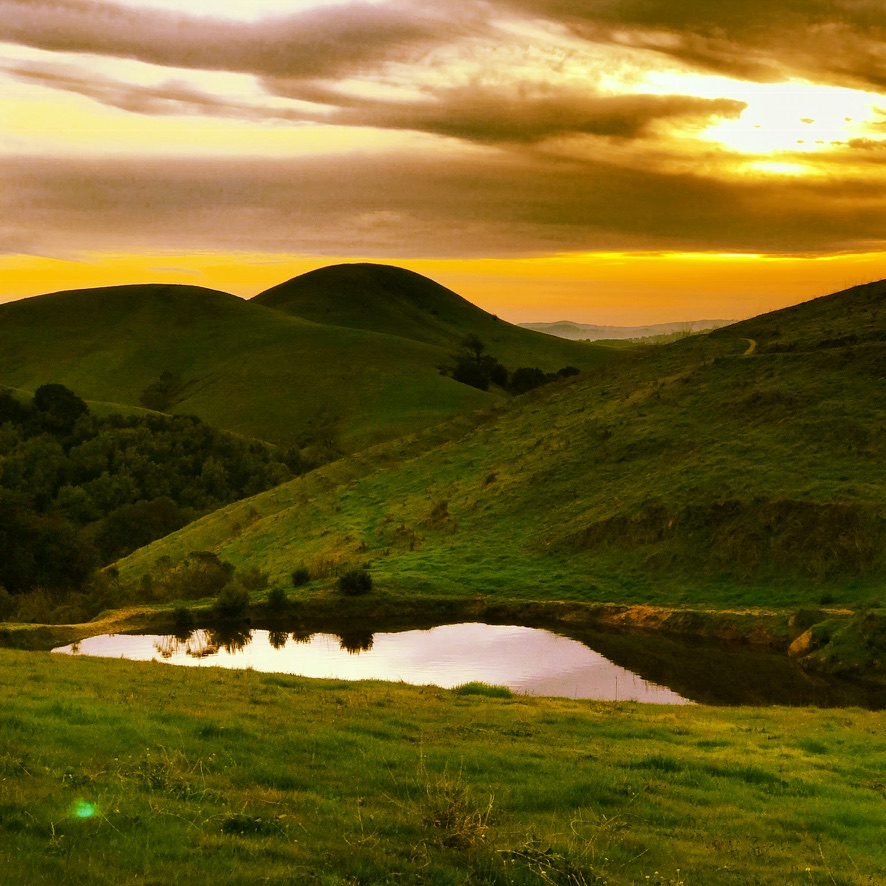
Through that time it’s suffered from grazing cattle damage due to limited water supply and fencing and prioritizing cattle grazing over protecting the quality of the trails. The grazing infrastructure has steadily improved via rehabilitation of a cattle pond, the drilling of several wells until a productive well was achieved in the top pasture, and plumbing the water supply in the southern front field to multiple locations in three pastures. This along with a committed approach to reducing trail damage by cattle during the wetter months by cattle rotation has resulted in several consecutive years of low trail damage due to grazing.
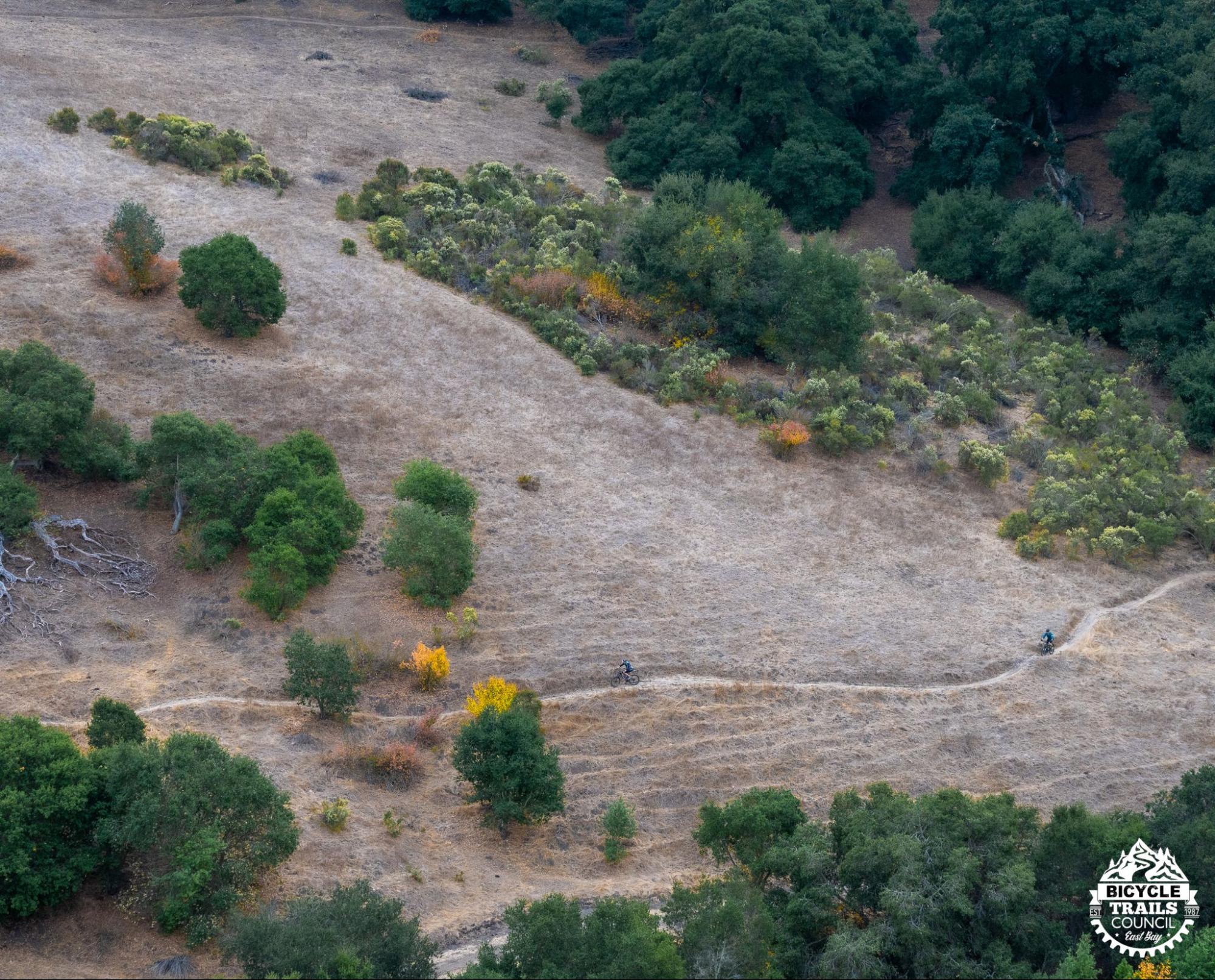
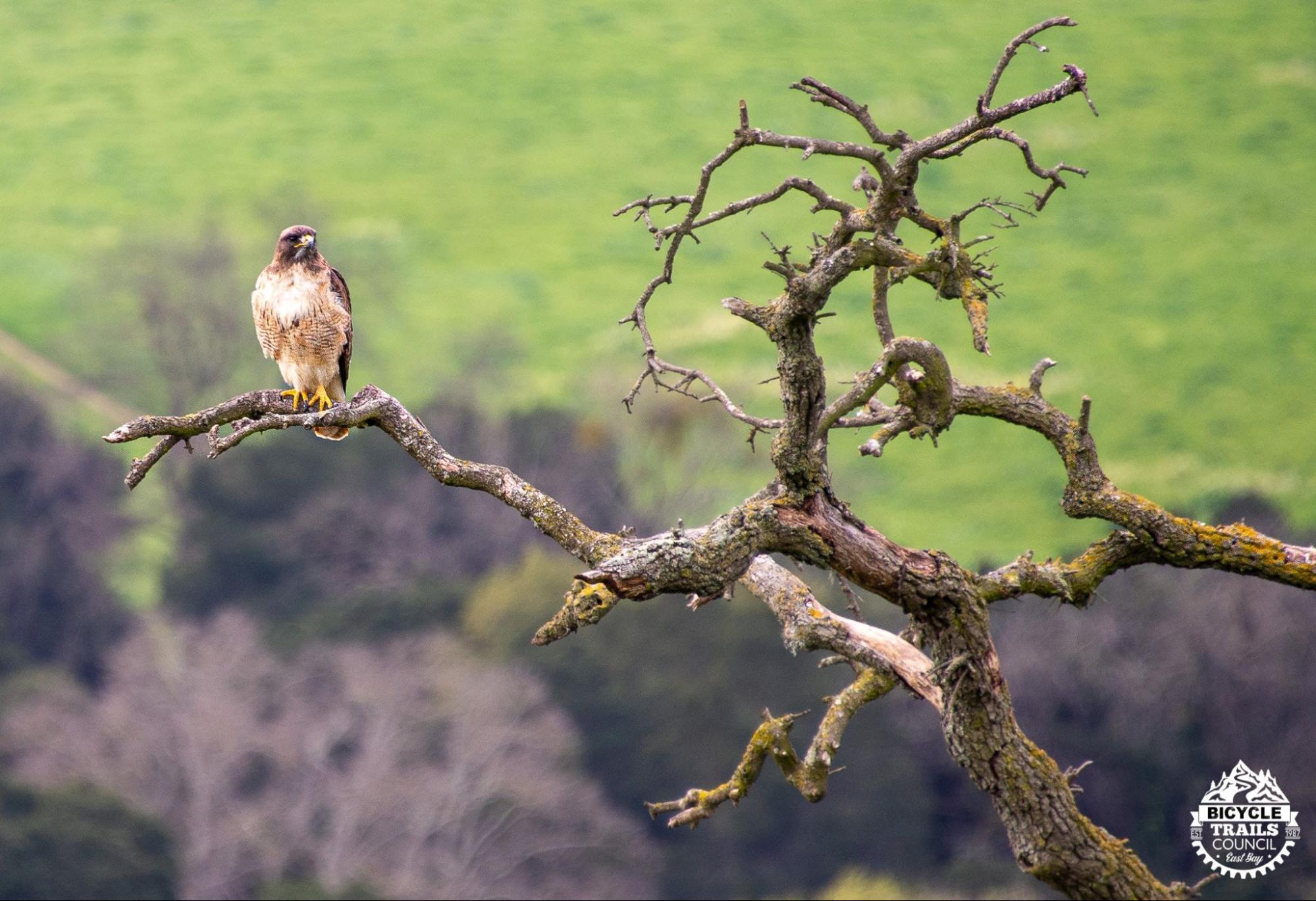
Two Peaks got a re-route to a friendlier, more gradual grade a few years later. Some of the awkward features have compacted or worn down and maintenance efforts are slowly restoring them with better feeling shapes. Goldfinch continues to be closed each year from February to September for nesting golden eagles. The good news is that you can count on an opportunity to see golden eagles. Goldfinch continues to be a seasonal offering that will likely always have a “raw” feel. The character of the features is unique compared to the other Crockett Hills trails and is worth checking out when it’s open. For a 10 year-old perspective of Crockett Hills when this phase opened check out this Bermstyle article.
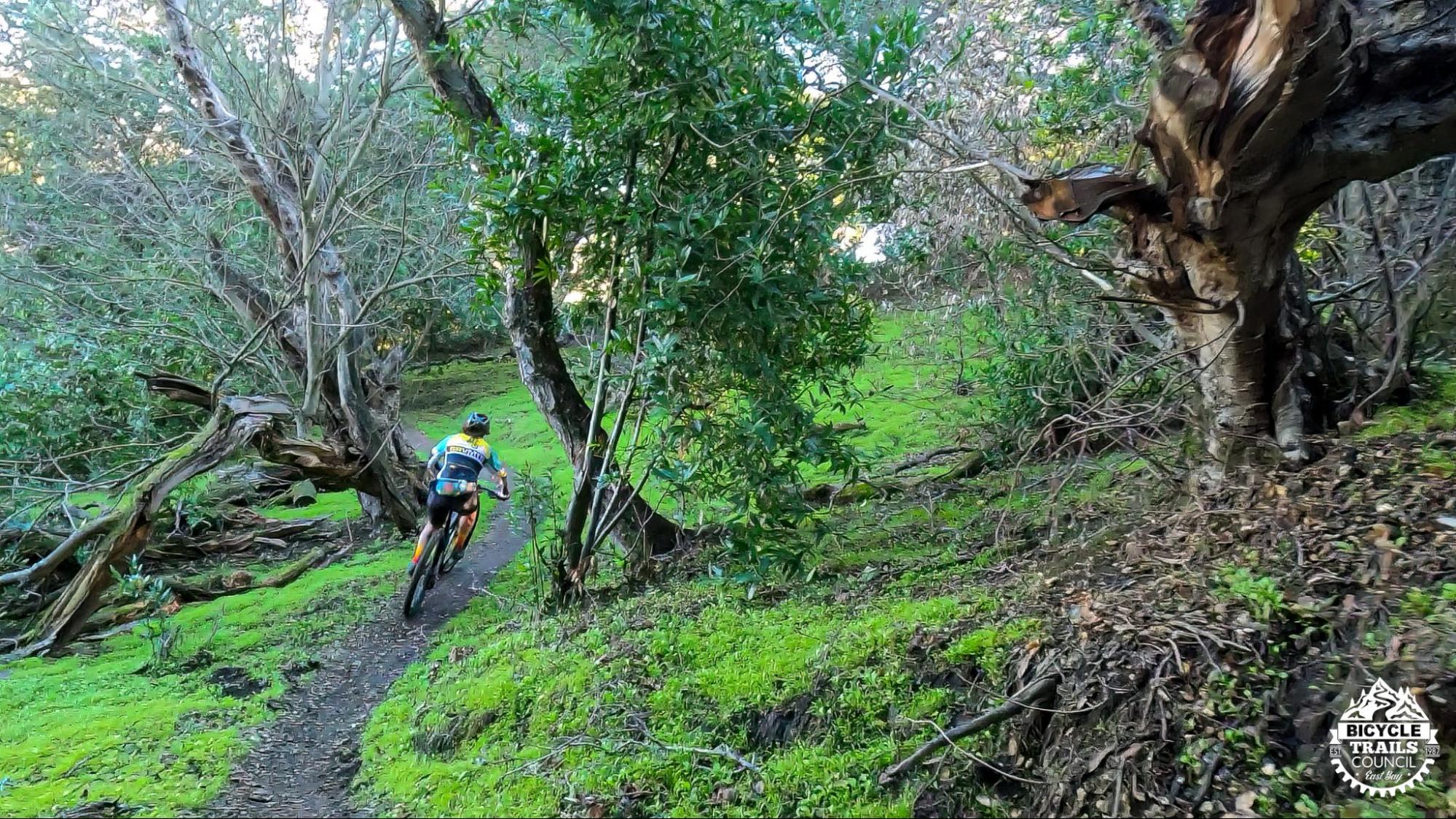
Crockett Hills has helped build the case that providing access can help reduce rogue or illegal trail building and there has been little of that activity seen at Crockett Hills. It certainly doesn’t provide the full range of MTB experiences that the community is looking for, and other parks have seen rogue trail building activity in response to that demand. It’s also shown that MTB riding can be compatible with hikers. The trail counter at the Cummings Skyway tunnel generally shows an even split of hikers and bikers. This doesn’t say that all hikers are comfortable hiking at Crockett Hills, but it certainly shows that many hikers find hiking with MTBs to be compatible. Reports of trail conflict are generally rare.
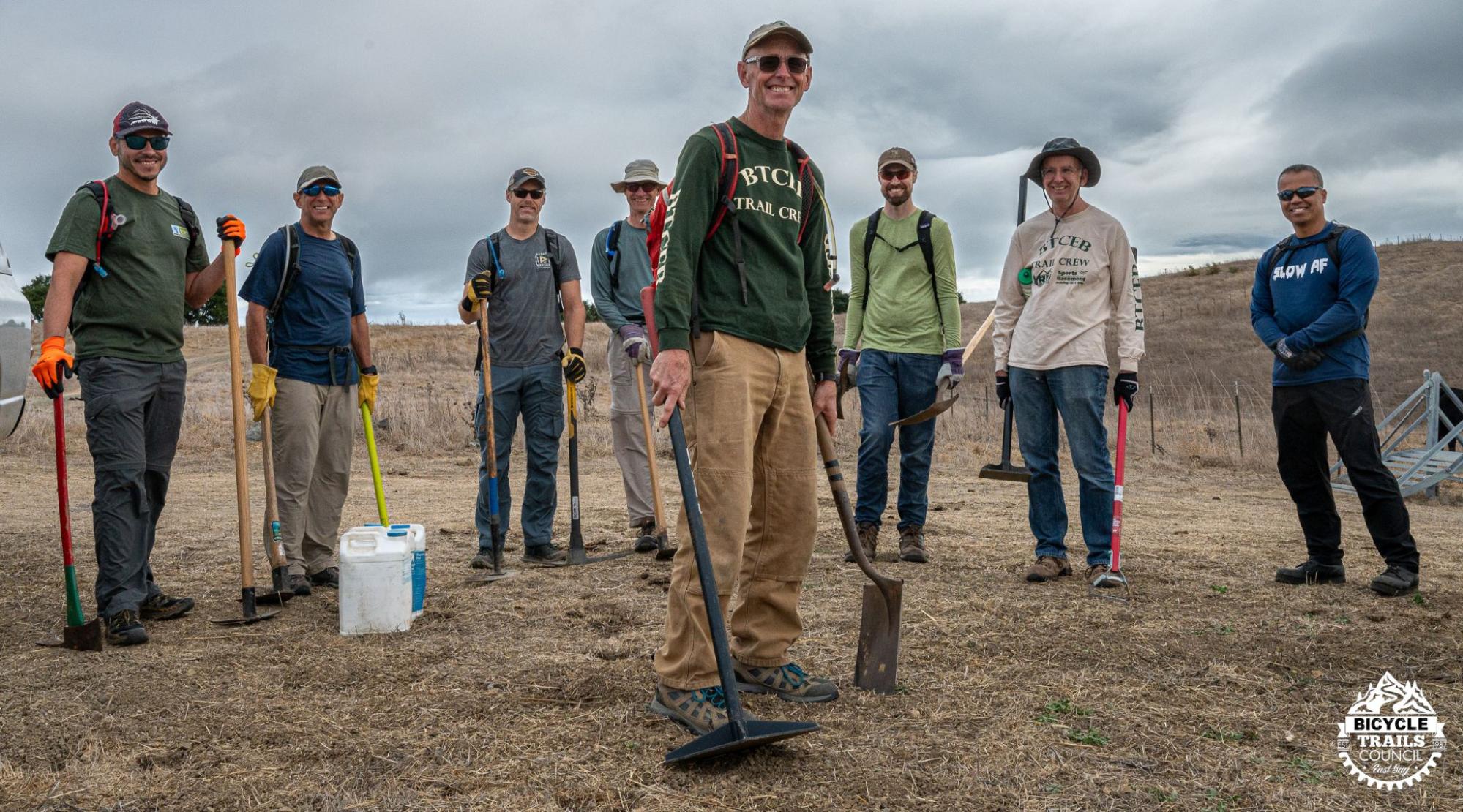
BTCEB has been the core of the trail stewardship effort at Crockett Hills. Henry Mitchell, Amy Arndt, and Jim Arth got the original working relationship started around 2015 with David Kendall, the park supervisor. Over time the BTCEB leads on this transitioned to Scott Bartlebaugh and Dave Sturgis. Around 2017 we’ve been keeping records on the volunteer hours and average around 500 hours per year so we’ve logged well over 5000 hours since Sugar City and the other trails were all built. As trust built with the park supervision they have provided increasing support for larger work days and more effective access for work groups. Work is done within a defined scope and the majority of the work is drainage maintenance and improvement, brushing, and hardening of problem areas. Any work that falls outside this basic scope is discussed and approved. Volunteers aren’t allowed to use power tools, so trees requiring power chain saws are handled by staff along with machine mowing and weed whacking. Staff continue to add equipment for mowing to make this task more efficient and effective, but the current resources still end up with overgrowth for extended periods. There’s always something to improve upon!
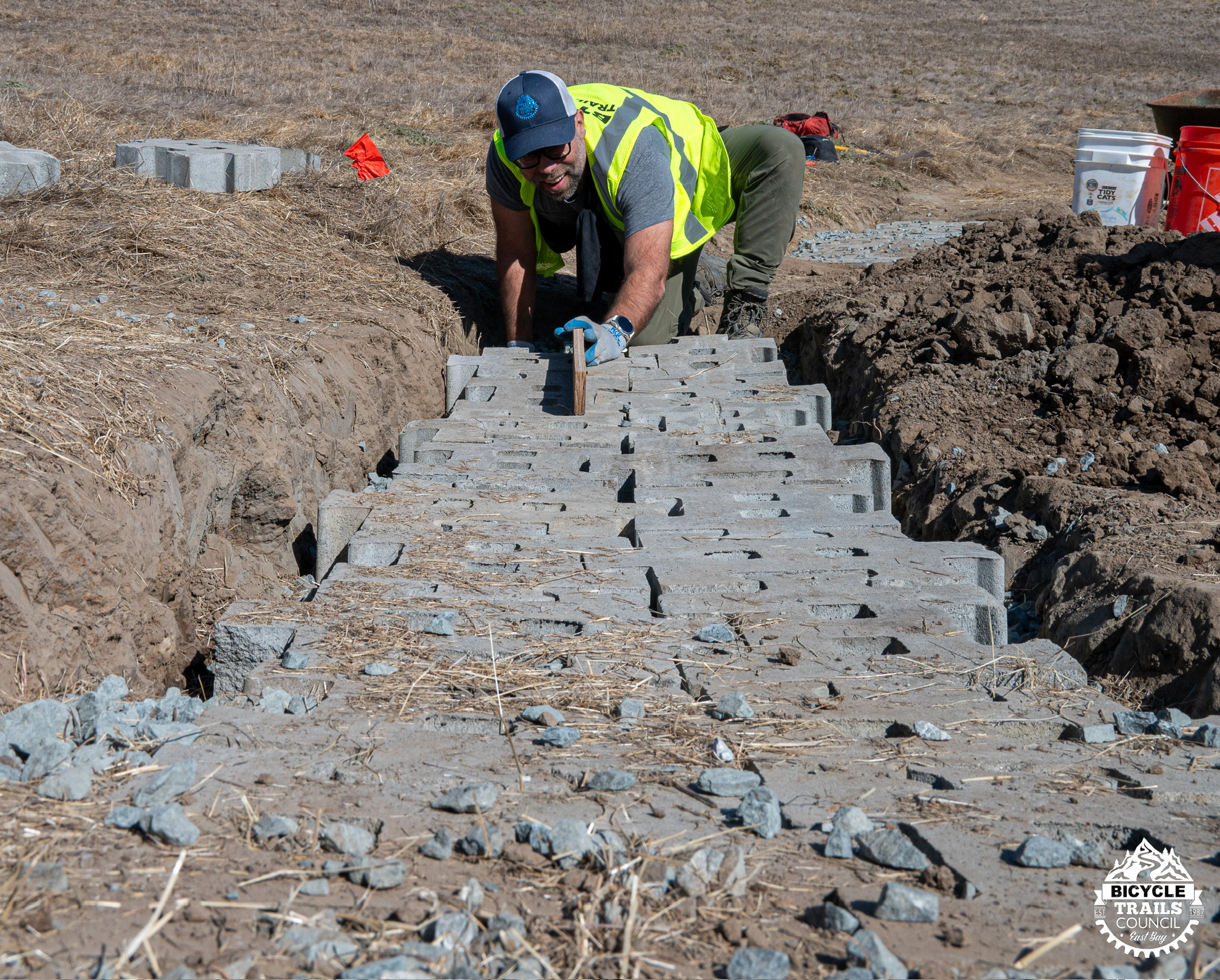
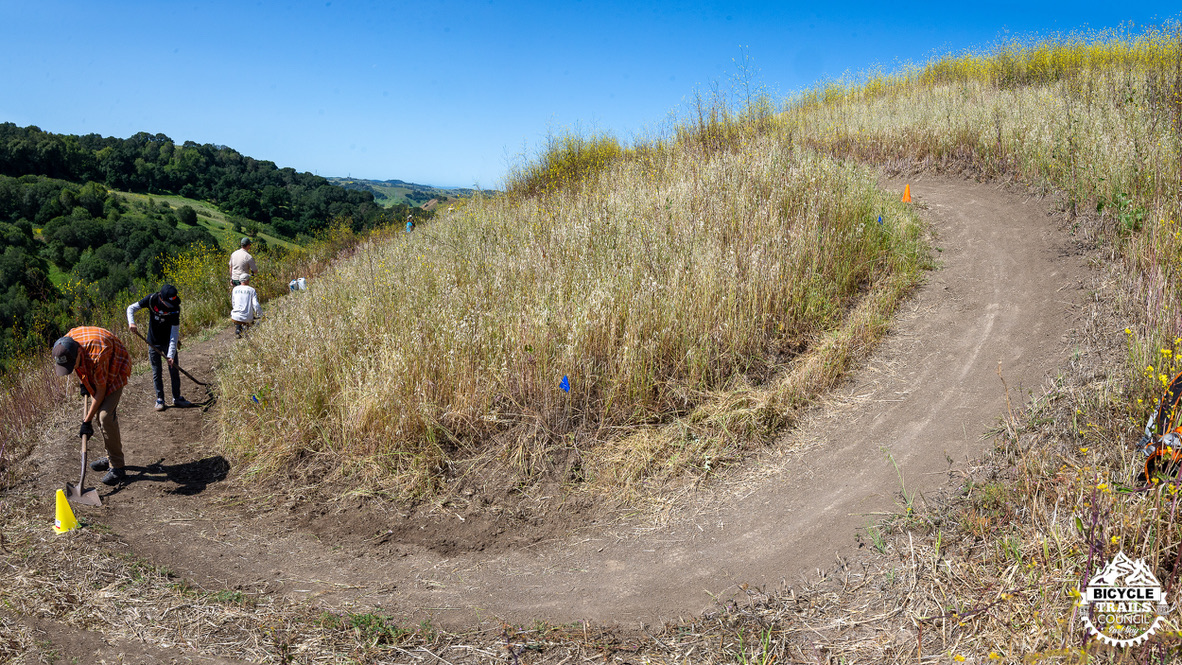
Trail One has been a strong supporter of BTCEB Trail Stewardship at Crockett Hills. As part of their Trail Treasury program they donate a portion of sales from every Crockett handlebar, and so far they have donated $5000 to BTCEB from that program. That support has helped us buy additional tools and fund volunteer work day lunches.
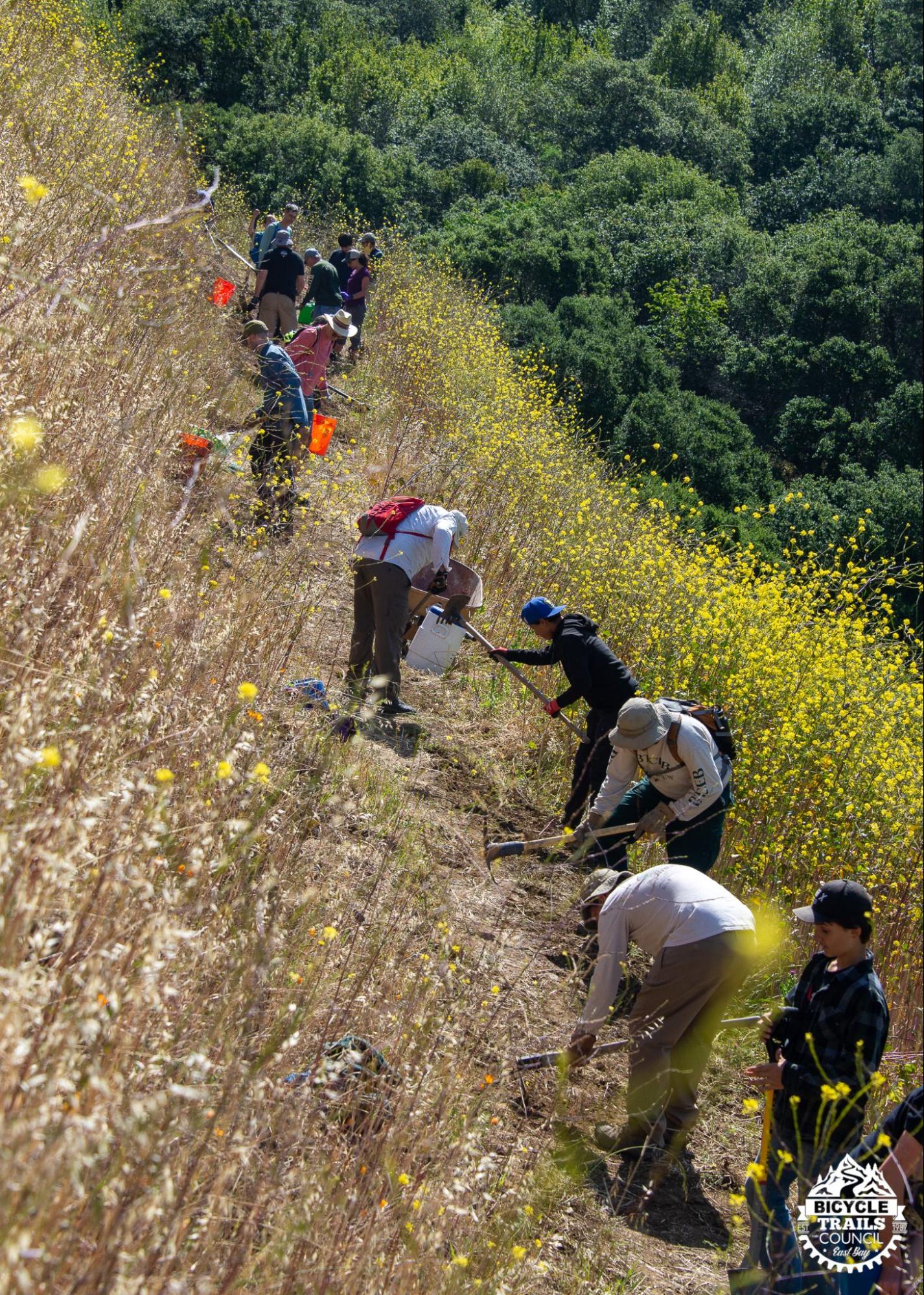
Reviews over time show that parts of the riding community are disappointed with Crockett Hills while many others appreciate it and have seen it steadily improve. Here’s one perspective from Trailforks:
Not sure why, but my original review from 4 years ago was deleted (I did use the S word). Changing my vote from 4 stars to 2. This trail was such a fantastic surprise when it suddenly appeared 10 years ago, now it’s like an old building from the 60’s that is slowly decaying.
Here is the old review:
I have such a love/hate relationship with this trail. Definitely the most fun when you aren’t trying to go balls to the wall. Even more fun when East Bay Regional Parks has cut back the brush and you don’t have to deal with picking 10 or 15 ticks off of your legs at the bottom. Cows leave plenty of poop and do all kinds of damage to the trail on a regular basis. The super steep and awkward rollers are finally getting beaten down after years of abuse and ride pretty fun now. It’s fun, it’s bad, it’s weird.
Here’s a positive review a year later from a different user:
Finally got a chance to ride at Crockett after checking off almost all the other MTB areas in the Bay. Had low expectations for this particular trail given all the negative comments here, but I thought it was pretty fun!
Trail was in totally fine shape (maybe there’s been work done since everyone else posted?) and you can pick up some nice speed. It had recently been mowed, but there’s still a fair number of blind corners given the tall grass in spring, so good to keep your speed in check. I would hope nobody would hike up this, but you never know.
There’s not many long non-technical flowy-ish descents like this to be found less than 40 min from SF. Grateful this is here and recommend it to any other Bay Area riders who enjoy this type of XC trail. The climb to get to the top from the north parking lot was totally enjoyable, too — not the usual hot grind up a 25% grade fire road LOL.
Tree Frog was my favorite trail at Crockett for its variety of terrain, scenery, and length, but this was a close second and a faster (but shorter) descent.
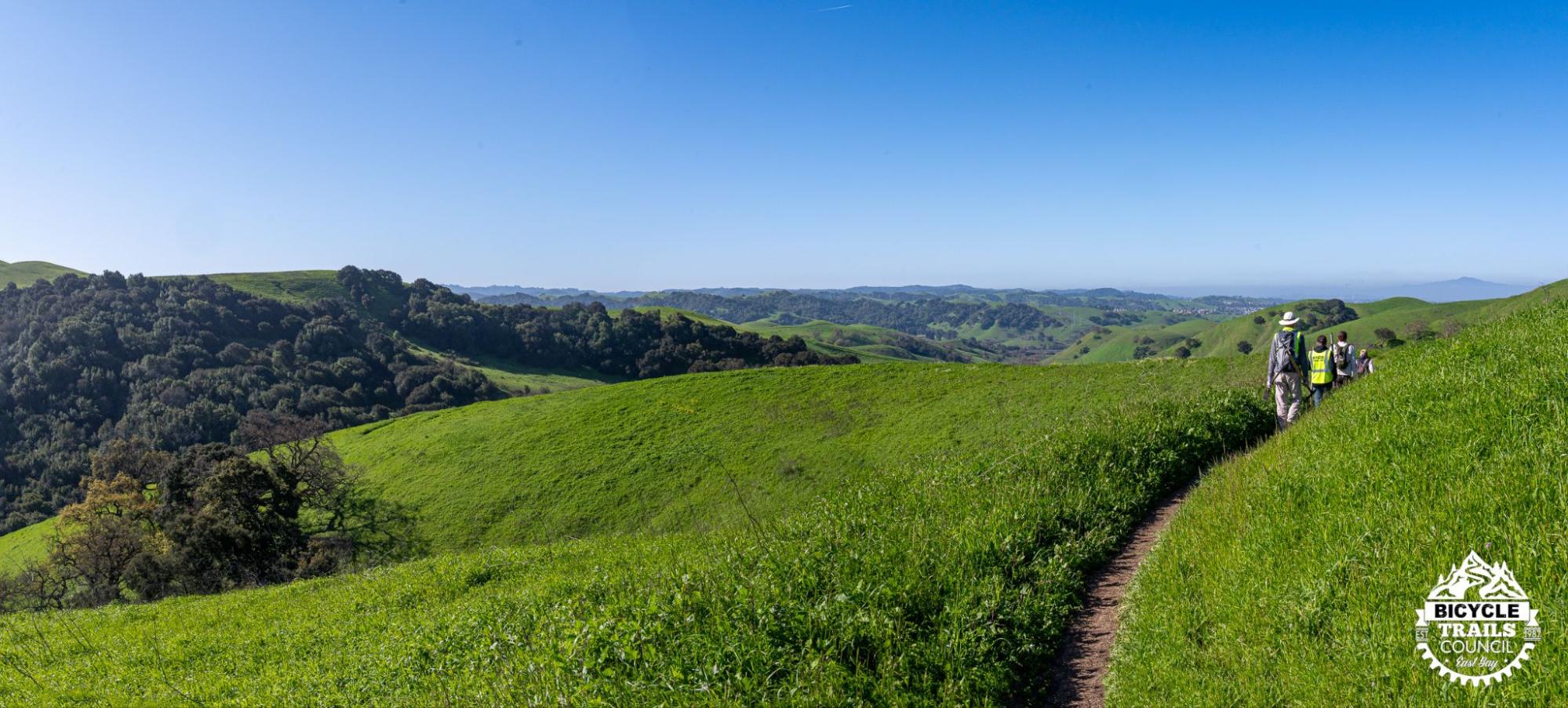
The entire MTB community is rarely going to love any single trail system. The range of desired experiences is broad and it’s unlikely that any system will ever include trails that provide for the entire range. Crockett Hills is good for the type of character it delivers. Could it use more love? Hell yeah! Is it getting better over time? It is … slowly, at this point. Some of the key problems — mainly cattle — have been significantly improved. Vegetation management has improved but there’s still a lot of room for improvement left. We continue to toil away on the advocacy front to work on these problems along with efforts on the trail stewardship front. If you haven’t checked Crockett Hills out in the last couple of years it’s probably worth another ride. And if you don’t like it when you do check it out, give it a month or two and ride it again, as the trail conditions will likely have changed. The ticks may be gone and the grass may have been mowed ….
Scott Bartlebaugh, Advocacy Director